NHS waiting lists have continued to grow following a record-breaking summer. A new analysis from the Health Foundation warns that the Labour government’s target to resolve 92% of care pathways within 18 weeks by the end of its parliamentary term (2029) will be missed if current performance levels persist.
NHS England has published its latest Referral-to-Treatment (RTT) waiting times data, revealing that the number of open pathways rose to 7.37 million by the end of August 2026. Open pathways represent cases where patients are still awaiting the start of their treatment. The data also highlights that the total number of individual patients currently waiting stands at approximately 6.2 million.
Under the national standard, the NHS aims to start treatment within 18 weeks for 92% of patients. However, August data shows that only 65.2% of open pathways met this timeframe, with over 100,000 patients waiting for longer than a year. The pressure on services shows no sign of easing, as more than 1.7 million new pathways were created in August alone.
Performance also varied significantly across clinical specialties. Among the 3,347 patients awaiting mental health treatment, 82% were seen within the 18-week standard. By contrast, cardiology faced greater delays, with just 56.8% of its 589,316 waiting patients treated within the target timeframe.
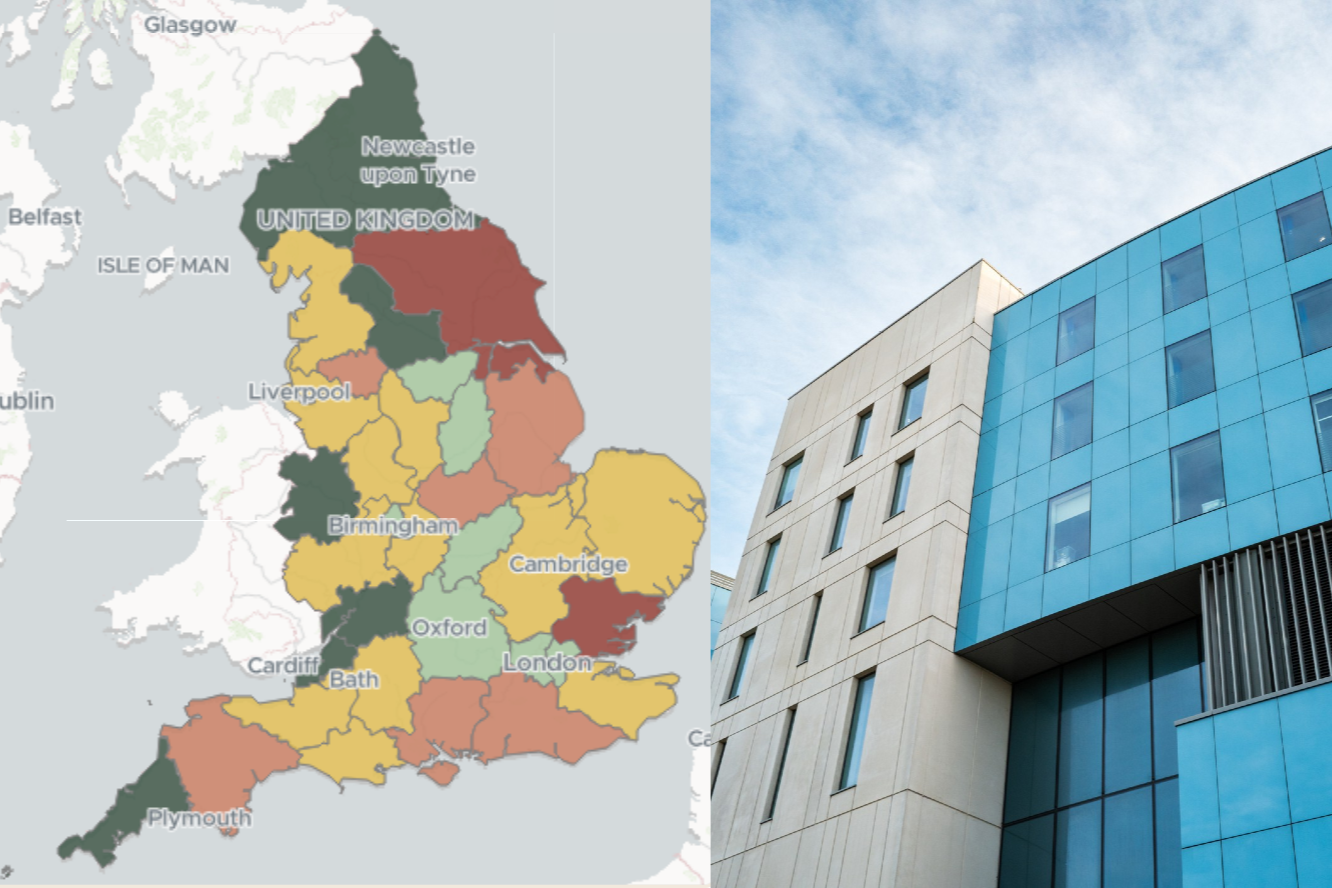
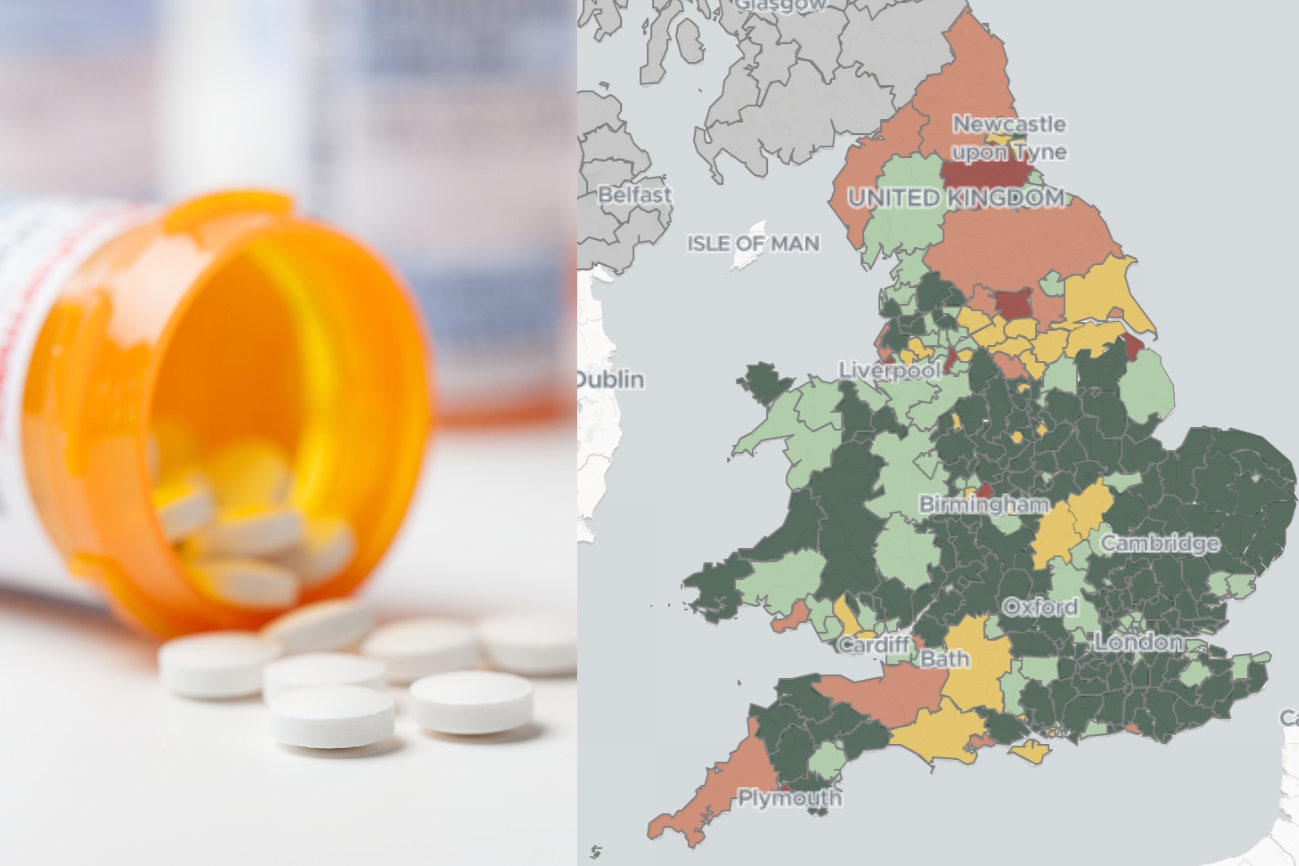
Polimapper has visualised August’s NHS Referral to Treatment data by Integrated Care Board (ICB). NHS Cornwall and the Isles of Scilly ICB emerged as the top-performing area, closing 73.4% of pathways within 18 weeks. Conversely, NHS Essex ICB remains the lowest-performing region, meeting the standard in only 55.9% of cases.
Geodata context
The Health Foundation’s latest projections indicate that if referral rates and pathway completions continue at the trajectory seen during the government’s first two years in office, the average wait time to treat 92% of patients will stretch to 34.9 weeks by the end of the parliament, nearly double the 18-week standard.
Francesca Cavallaro, Senior Analytical Manager at the Health Foundation, said: “Thanks to the hard work of staff, the NHS has made progress in bringing down waiting times, but a rise in referrals means that the service is having to run faster just to stand still and the prospects of meeting the government’s pledge are receding.”
Professor Victoria Tzortziou Brown, President of the Royal College of GPs, said: “Bringing down NHS waiting lists benefits everyone across the health service. Long waits for specialist care can have a real impact on patients’ health and wellbeing and place additional pressure on general practice as GPs and our teams care for patients while they are waiting to be seen, often without access to information about when their appointment or treatment will progress.”