Scotland saw its worst June on record for Accident & Emergency (A&E) waiting times, as 32% of patient attendances exceeded the four-hour target for admission, transfer, or discharge.
New data from Public Health Scotland reveals there were 147,876 A&E attendances across Scotland in June, up from 141,021 during the same period last year. Of all patient attendances, just 67.9% were processed within four hours.
Of the 144,152 patient episodes recorded, 11.1% spent over eight hours in A&E, aligning with the previous year’s monthly average, while 4.4% waited more than 12 hours.
Responding to the figures, a Scottish Government spokesperson stated that ministers remain “committed to improving A&E performance and tackling delays for patients,” adding: “That’s why we will be publishing a new national plan for improving the flow of patients through our hospitals, from the front door to discharge, within our first 100 days.”
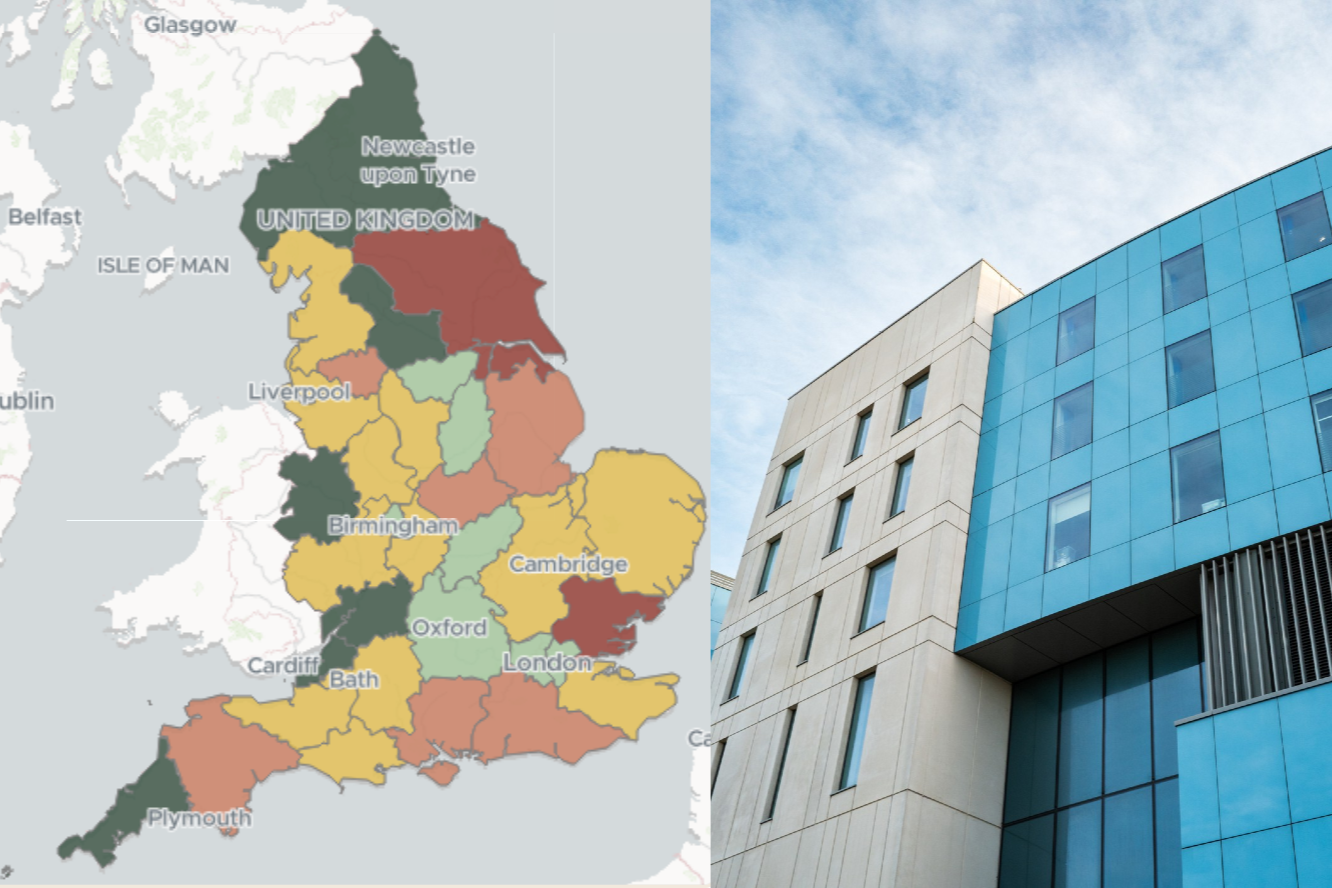
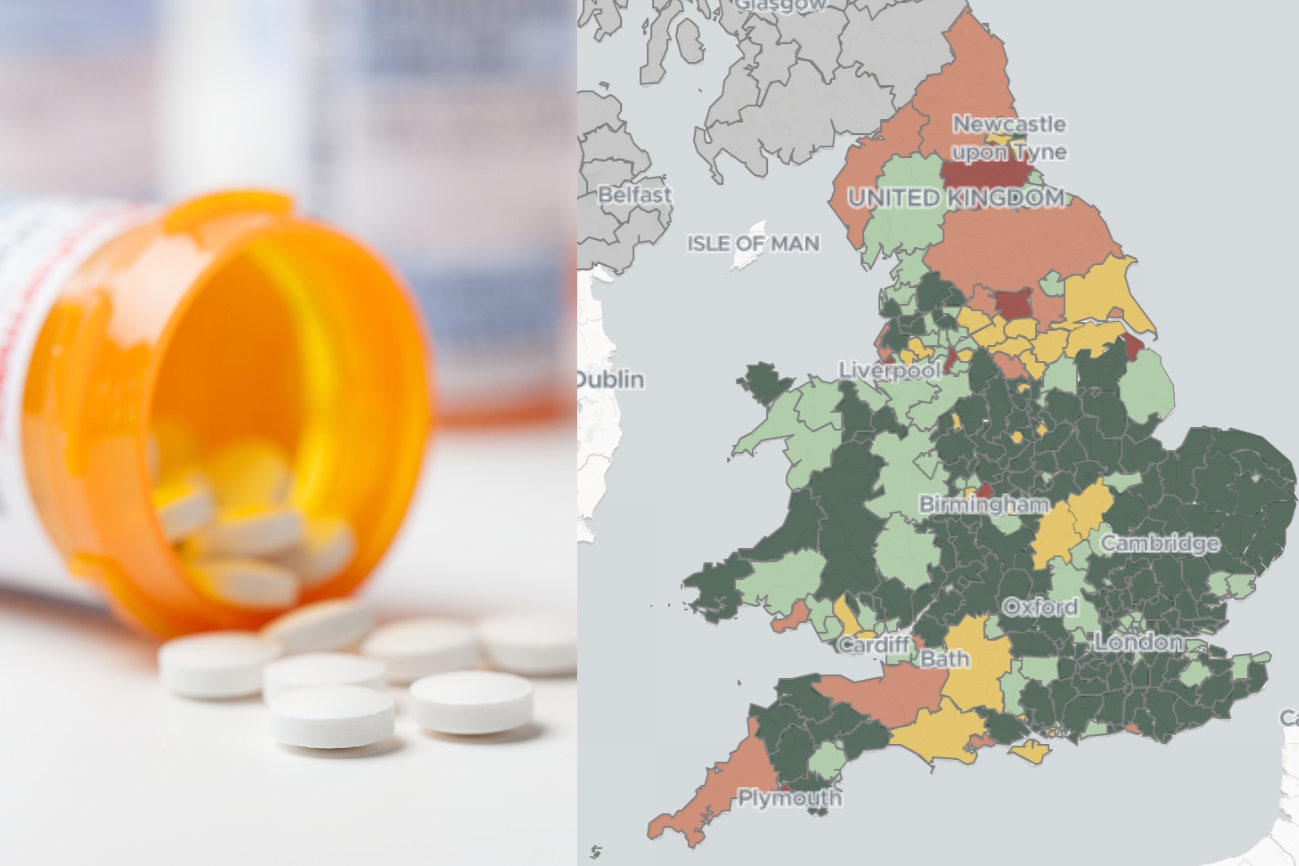
To highlight regional variances, the data team at Polimapper has mapped these figures to pinpoint key pressure points for the new intake of MSPs.
While NHS Greater Glasgow and Clyde recorded the highest overall volume of emergency attendances at 36,508 patients, NHS Lanarkshire and NHS Ayrshire and Arran registered the poorest performance by a significant margin. In both health boards, more than 45% of patients waited over four hours in the emergency department.
Addressing the regional crisis, the Cabinet Secretary for NHS Recovery, Health and Social Care noted that “both the Scottish Government and NHS Ayrshire and Arran fully recognise the impact these delays can have on patients, families, and frontline staff.” The Chief Executive of NHS Ayrshire and Arran also assured the public that leadership is “taking proactive action with our partners to address these pressures.”