PIP claimants reach record 4.1 million as government considers benefit cuts and research shows geographic hotspots.
The number of people entitled to PIP (Personal Independence Payments) has reached a record 4.1 million in England and Wales, according to the latest July figures from the Department for Work and Pensions. The number of claims increased by 7% year-on-year, with a 2% increase from April 2026.
PIP is a benefit that covers extra costs faced by disabled people and those with long-term physical and mental health conditions. The benefit is assessed across two components: daily living and mobility. Payments range from £30.30 to a maximum of £194.60 a week, and 37% of claimants received the highest amount. PIP is also available to people who work, have savings, or receive other benefits. Of the current claimant total, 3.4 million are of working age and 690,000 are receiving the State Pension, with more than half of claimants being over 50 years old.
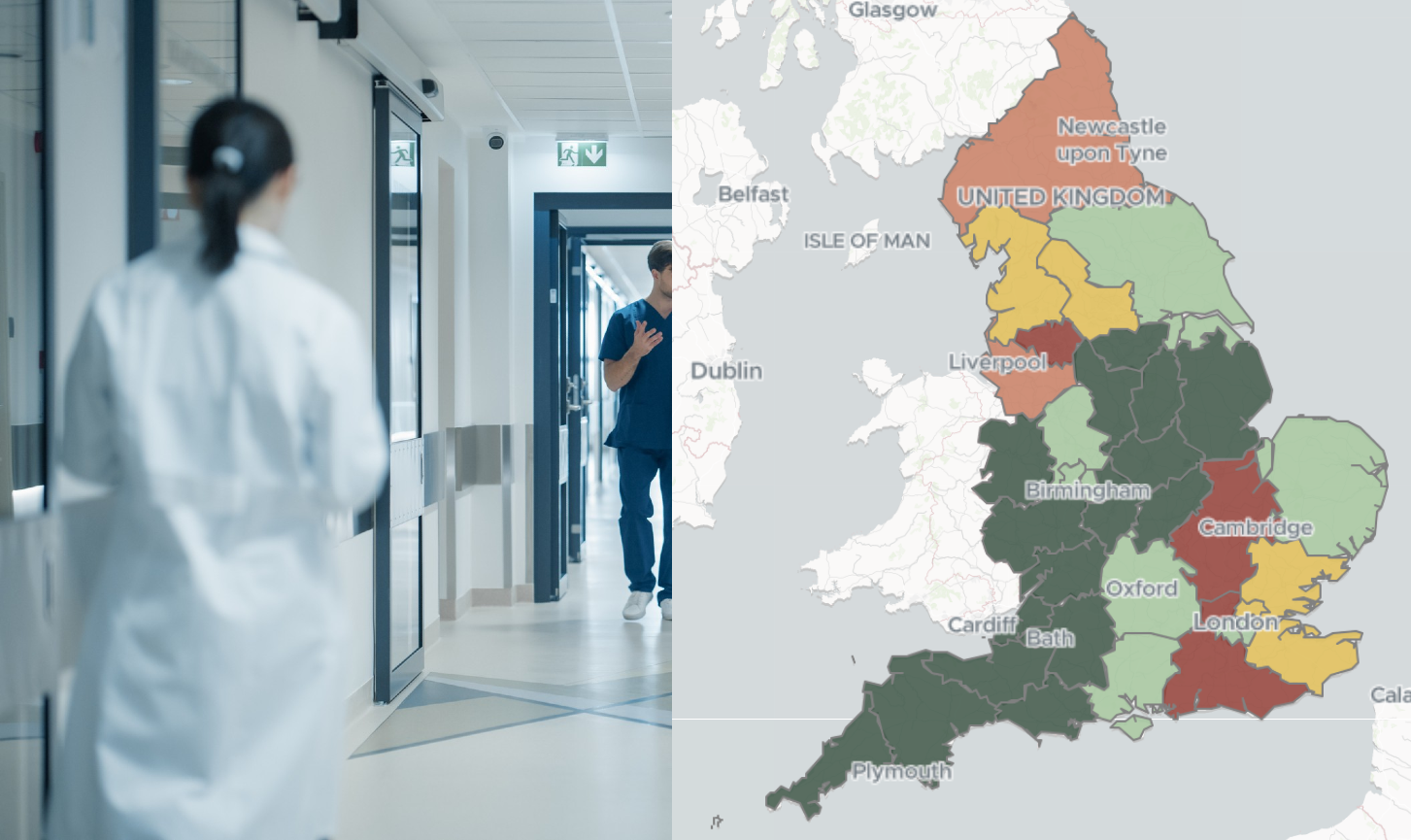
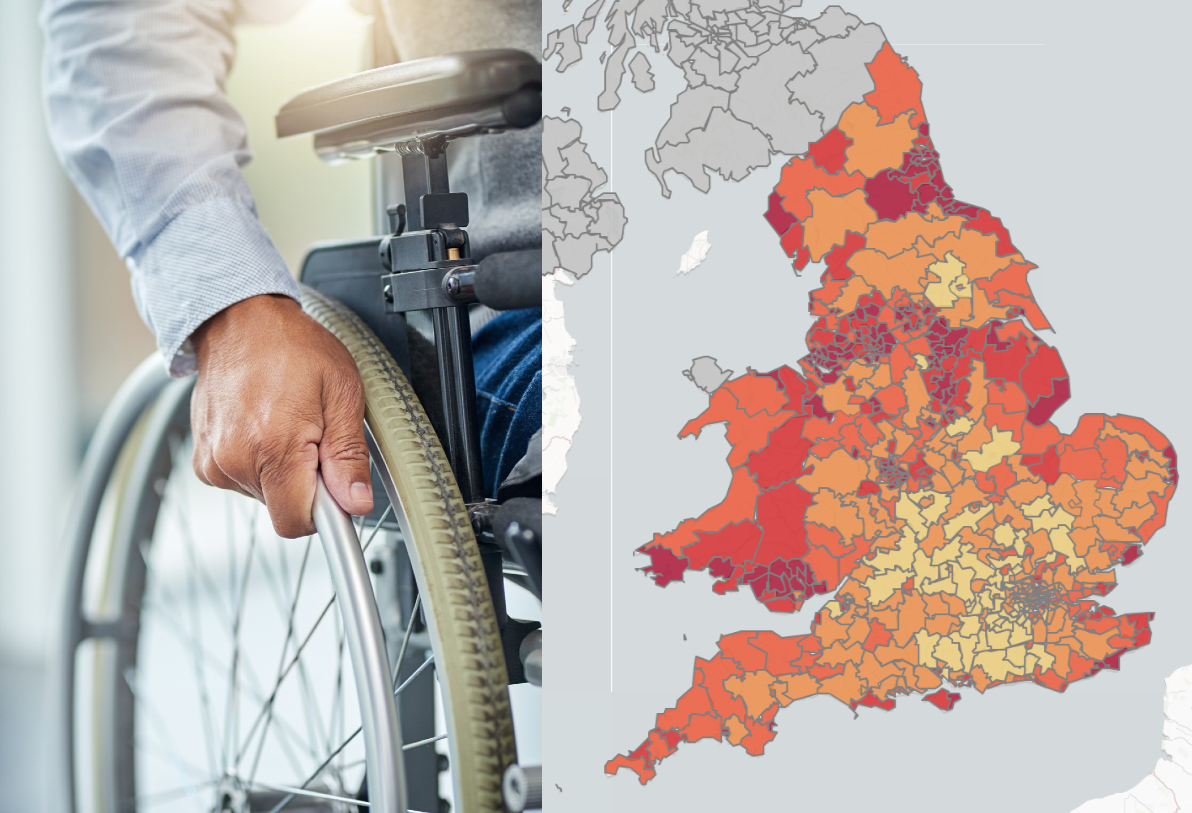
Data visualised by Polimapper shows geographic trends. In July 2026, Liverpool Walton recorded the highest of PIP awards per 1000 residents, at around 165, followed by Easington at 162. At the other end of the scale, Wokingham saw a rate of 30. The areas with the highest rate of successful claims are in the North of England and Wales, with the lowest primarily located in London and the South East of England.
Geodata Context
The disability minister is leading a review of PIP as think tanks propose a broader overhaul of the UK welfare system. This comes amid strong public support for disability benefits, with the latest British Social Attitudes report finding that just 7% of respondents supported cuts, while 49% said spending should increase.
Meanwhile, new research from the Nuffield Trust reveals that PIP claims for teenagers with Autism and ADHD are rising fastest in more prosperous areas, highlighting key regional and socioeconomic variations in how diagnosis rates influence benefit uptake.
Thea Stein, chief executive of the Nuffield Trust: “As diagnosis and recognition of neurodiversity continue to grow, policymakers will need to grapple with the complex picture identified in this report to ensure support is targeted fairly and effectively. That will involve identifying where needs are best supported through the healthcare and benefit system and where it would be more appropriate to support people through broader changes to work, schools and wider society, to better reflect, respect and value human diversity.”