Energy efficiency installations under the ECO scheme continue to slow as Ofgem announces a 26% rise in energy bills.
This morning, the Department for Energy Security and Net Zero published the latest Household Energy Efficiency figures, recording 2,567 installations under the Energy Company Obligation (ECO) scheme in September 2026. This brings the cumulative total to 4,455,308 since 2013, though figures fell nearly 20,000 short of the previous year amid the scheme’s transition period.
ECO is a government programme in Great Britain that tackles fuel poverty and cuts carbon emissions by requiring energy suppliers to fund measures such as insulation or heating upgrades. Now in its final ECO4 phase, the scheme ends in December 2026 following a nine-month extension to complete existing obligations. Once it closes, the government will instead direct £1.5bn in additional funding toward the Warm Homes Plan.
The most common measures installed under ECO remain cavity wall insulation and heating controls, each surpassing 1,000,000 installations.
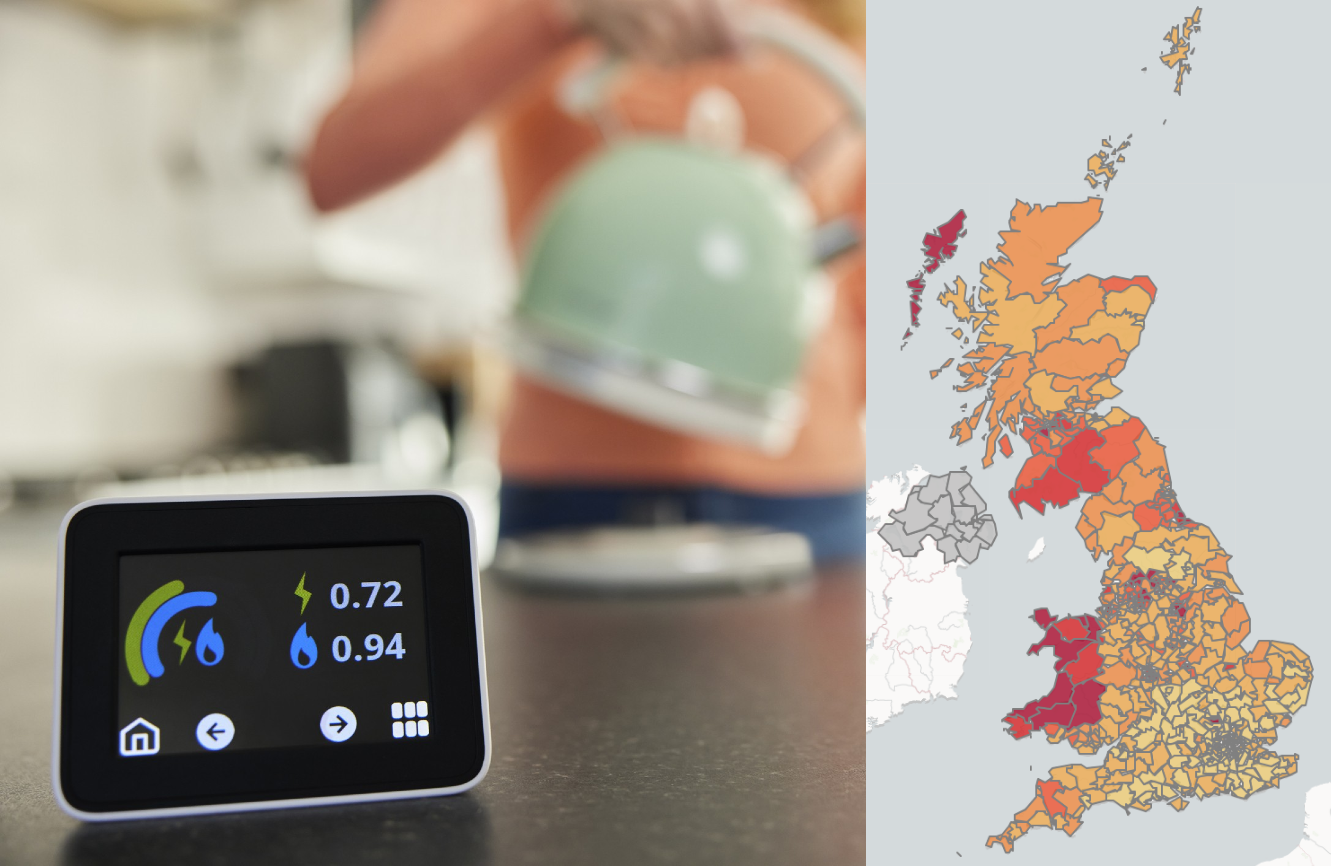
The data team at Polimapper has visualised the latest ECO figures by constituency to highlight regional disparities. Bradford West and Bradford East recorded both the highest rate of ECO measures installed (around 1,000 per 1,000 households) and the highest proportion of upgraded homes (over 300 per 1,000 households).
Geodata context
Yesterday, Ofgem confirmed that energy prices will rise by 26% in the first quarter of 2027. For a typical dual-fuel household in Great Britain paying by direct debit, annualised bills will jump from £1,723 to £2,166. Charities and industry bodies have reacted to the latest Ofgem announcement.
Dhara Vyas, chief executive of Energy UK: “Customers across Great Britain are once again experiencing the impact of our exposure to volatile fossil fuel markets, as conflict in other parts of the world dramatically increase our energy costs at home. This underlines the importance of developing more of our own clean power, and accelerating the electrification of our homes and transport, to strengthen energy security and deliver permanently lower, more stable bills.”
Adam Scorer, chief executive of National Energy Action: “This January, households will need to pay vastly more for a warm home. For millions, that’s more than they can afford.”
“For people on a low income and those who are vulnerable it is a desperate situation. For those on prepayment meters, it will be impossible. They don’t even have the option to rack up huge debt. They simply can’t find over £1,000 to keep the heat and lights on this winter. They will go without. They will go to bed early to keep warm, they will not cook, some will even turn off medical equipment. And that is devastating to their health and their wellbeing.”