Government hits March interim target as 18-week treatment rate climbs to 65.3%
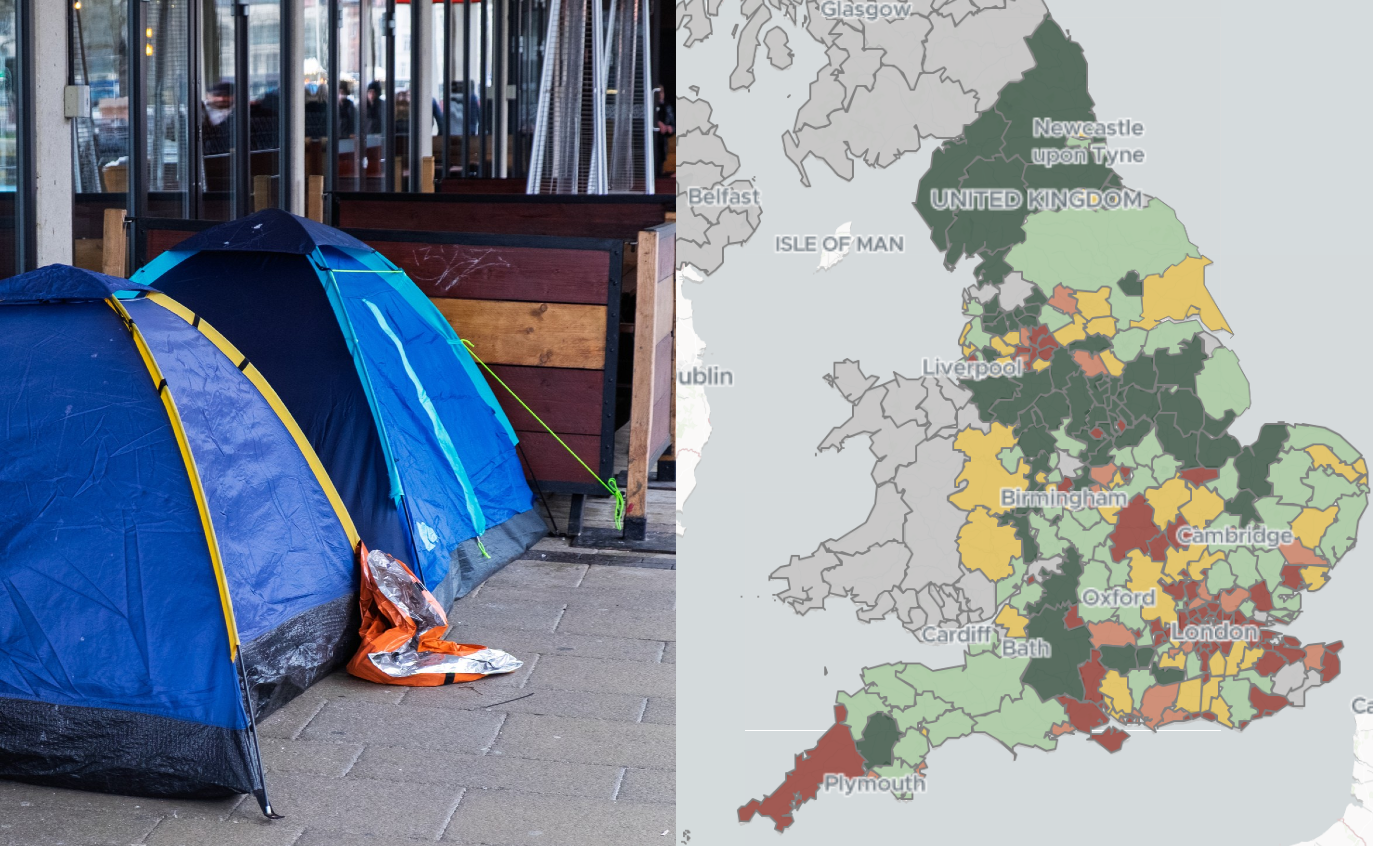
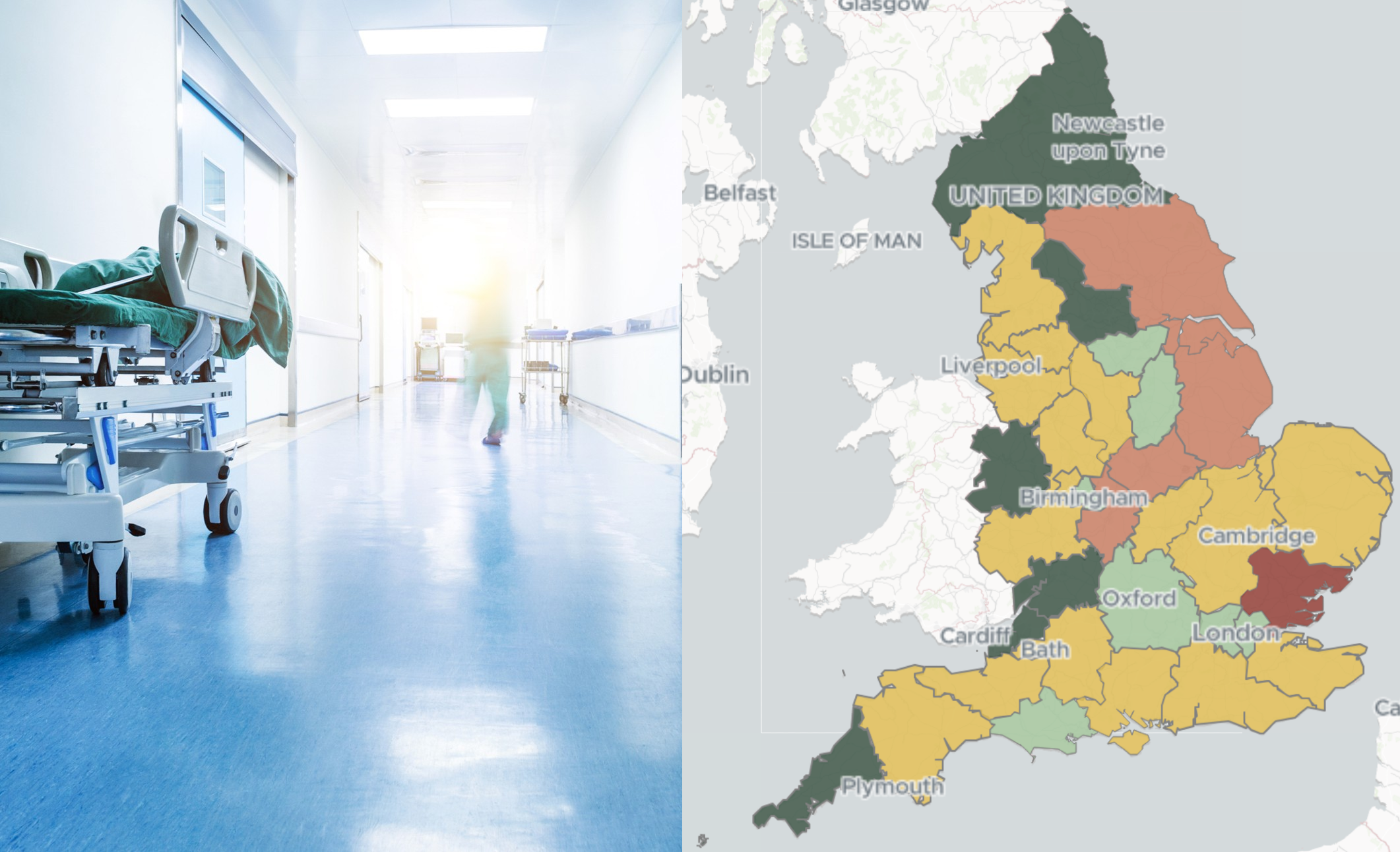
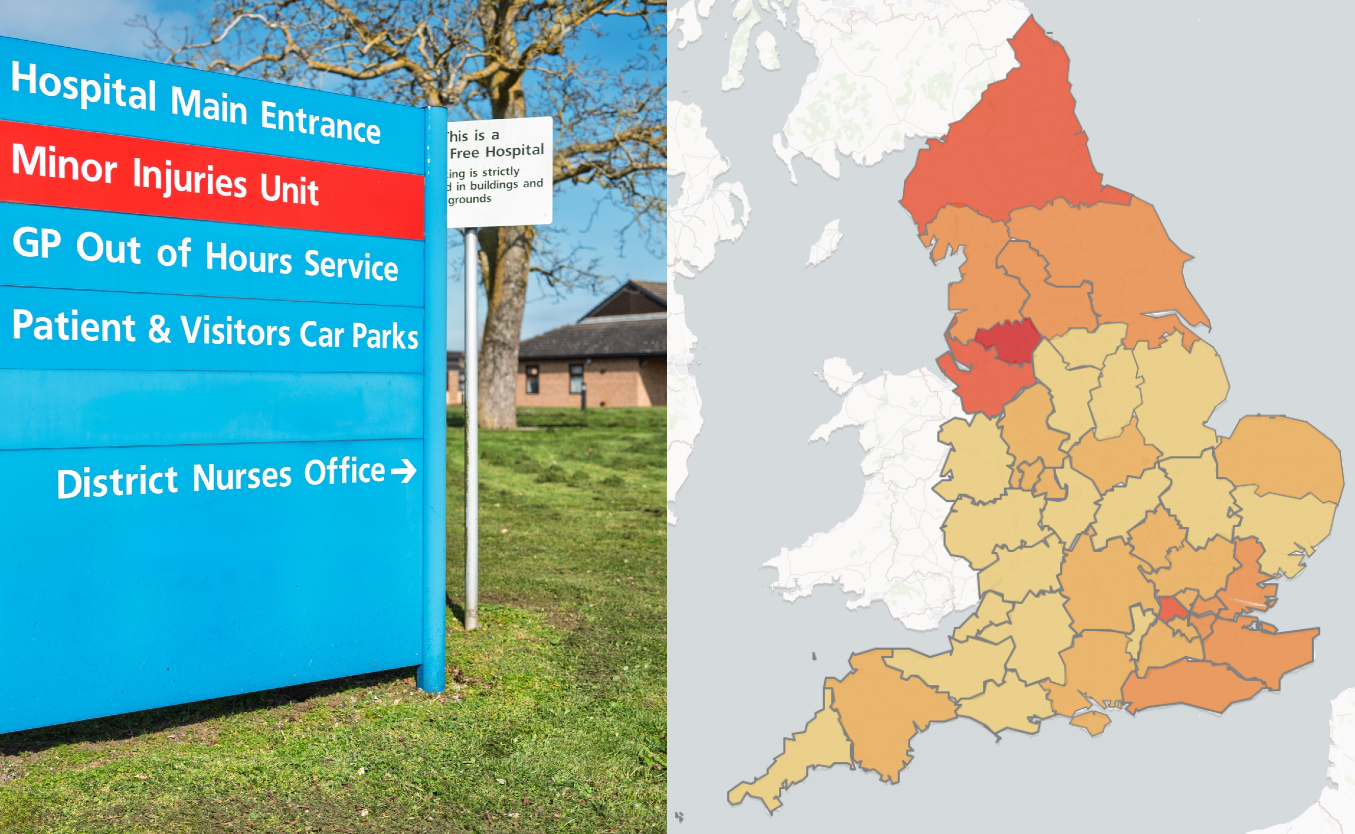
Using NHS Consultant-led Referral To Treatment (RTT) Waiting Time data, we have visualised the number of patients currently awaiting treatment in England by Integrated Care Board, as well as the amount of time in weeks patients have been waiting for treatment. Launch visualisation. Source: NHSEngland
NHS England has published Referral to Treatment (RTT) figures for March 2026, confirming that the interim target of treating 65% of pathways within 18 weeks has been successfully met. National performance rose to 65.3%, up from 62.5% the previous month.
The milestone serves as a benchmark toward achieving the Government’s ultimate commitment of a 92% performance rate by the end of the current Parliament in 2029.
Furthermore, the total number of open pathways, representing the cumulative volume of treatment paths across all specialties, fell by over 110,000 to 7,014,879. This reflects a monthly reduction of 1.5% and continues the downward trend in the overall size of the waiting list. Average patient wait times also saw a marked improvement, decreasing from 13.2 weeks in February to 11.3 weeks in March.
At Polimapper, we have mapped this latest data to a local level to highlight persistent geographical disparities. NHS Gloucestershire continues to set the national standard, with 74.3% of pathways closed within the target window. In contrast, performance remains lowest at NHS Mid and South Essex, where only 53.1% of cases met the 18-week threshold.
Geodata context
The publication of these figures coincided with the departure of the Health Secretary. Wes Streeting highlighted the achievement in his resignation letter, noting the successful delivery of key performance indicators: “The results are in and I am pleased to report that I have delivered against the ambitious targets you set for me”
While health organisations have welcomed this progress, many remain cautious regarding the sustainability of the trajectory required to reach the 92% NHS Constitution standard. This statutory target dictates that the vast majority of patients on incomplete pathways should wait no longer than 18 weeks from their initial referral.
Sarah Woolnough, chief executive of The King’s Fund: “Meeting the interim 18-week target is a significant achievement and a tribute to the hard work of NHS staff who have had to weather the headwinds of industrial action, increasing demand and the biggest reorganisation of the health service in over a decade.”
“The government has funnelled £120 million in extra ‘sprint funding’ into NHS trusts since January alone, to focus them on the elective waits target in a race to meet the March deadline. This is significant progress, but it may prove to be progress bought at a high price. This amount of additional funding will be hard to sustain in the current economic climate.”
Bea Taylor, fellow at the Nuffield Trust: “The confirmation that the NHS met the interim target on reducing planned treatment waiting times will come as welcome news to the Health Secretary today.”
“It’s hard to feel confident that the NHS will be able to sustain this level of progress on waiting times over the coming years to meet the government’s headline target of 92% of patients seen within 18 weeks. The NHS is riding on the belief that it can build on the success of recent improvements, but the balance between referrals and treatment over the last year shows that huge waves of patients are flowing onto waiting lists each month, making it difficult for the NHS to work fast enough to keep up.”