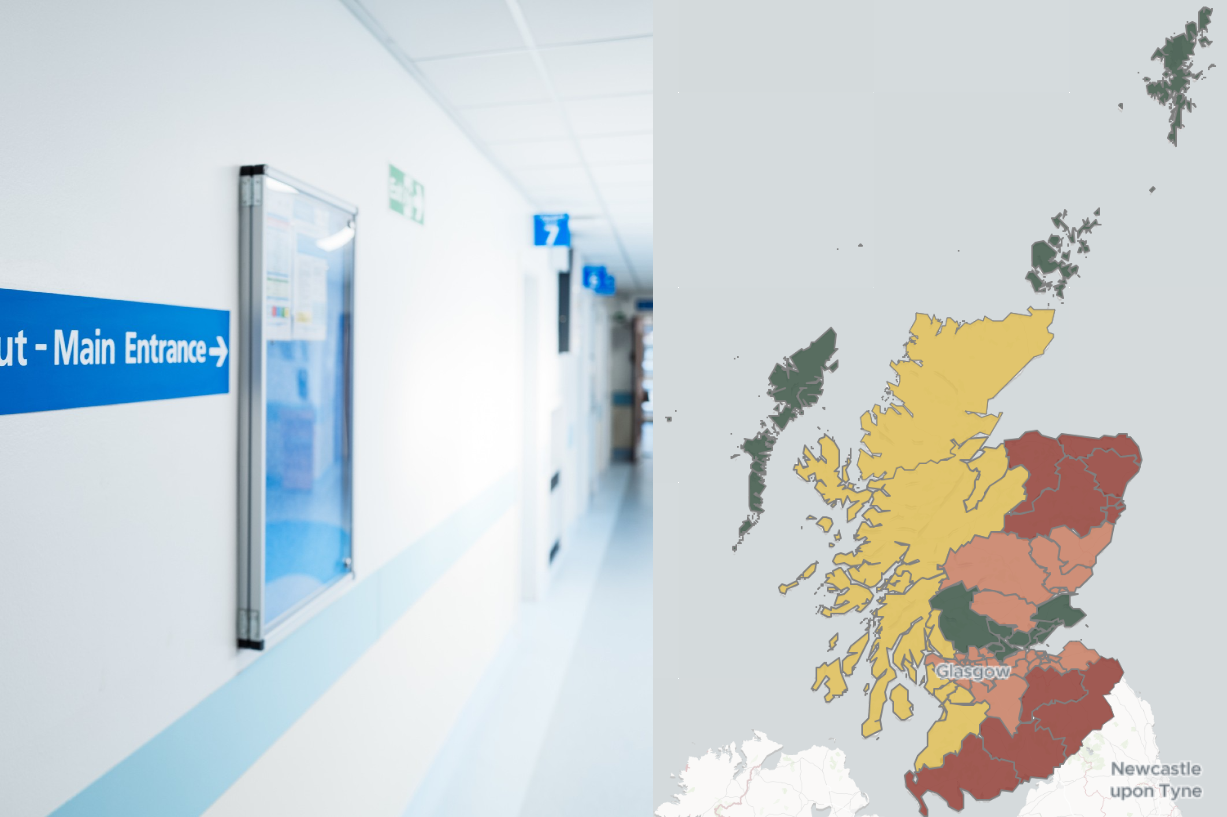
For the first time in four years, NHS Scotland has seen over 50% of open pathways completed within 12 weeks, though performance remains significantly below targets.
With the SNP’s March 2026 target to eradicate year-long waits being missed, waiting times have become a pivotal issue for the upcoming parliamentary elections.
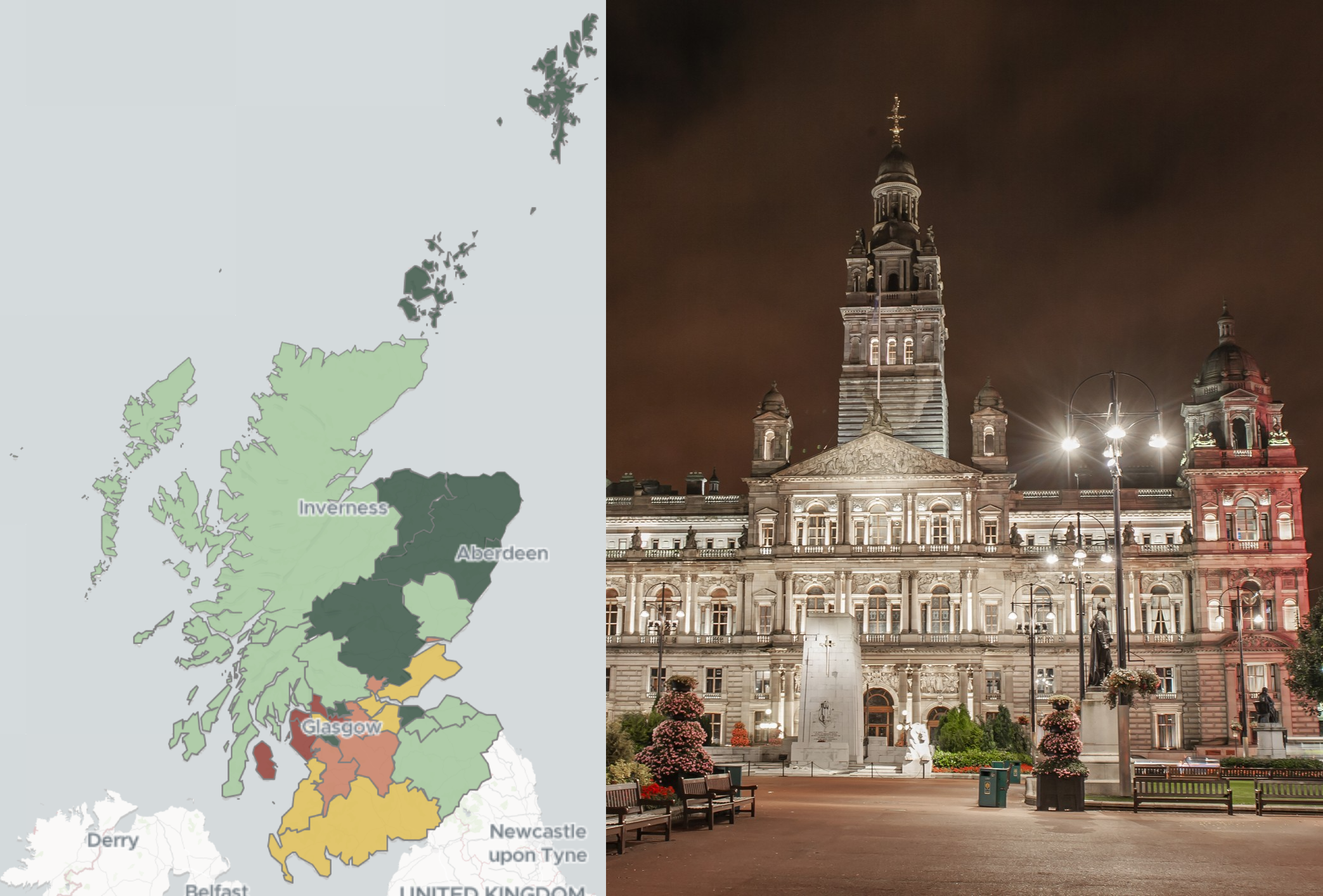
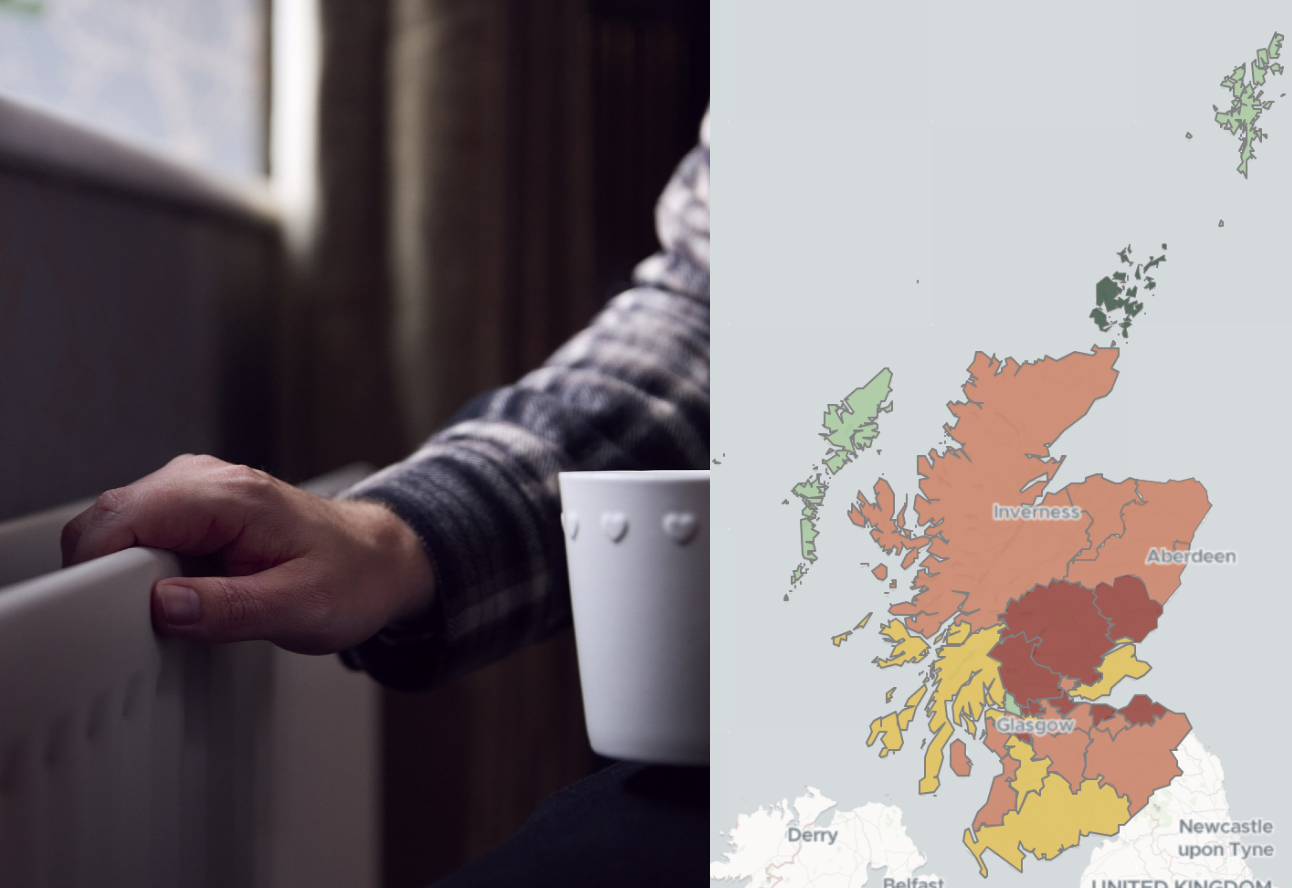
Polimapper has mapped the latest ‘Stage of treatment’ data against the new Holyrood constituency boundaries. This visualisation identifies critical pressure points for incoming Members of the Scottish Parliament (MSPs) and offers a data-driven comparison between performance and campaign pledges.
New data released this morning by Public Health Scotland reveals a 13% decrease in outpatient open pathways alongside a 12% increase in inpatient open pathways in the year leading to March 2026. As of March, there were 486,695 open outpatient pathways and 72,791 open inpatient pathways.
Additionally, 50.5% of outpatients had been waiting for fewer than 12 weeks, an improvement from 41.3% the previous year, but still far below the pre-pandemic level of 74.7%. This current rate falls drastically short of the target set by Public Health Scotland, which mandates that 95% of patients should be seen within 12 weeks.
Polimapper’s analysis shows that the Na h-Eileanan an Iar constituency (NHS Western Isles) recorded the highest performance, with 73% of outpatients seen within 12 weeks. Conversely, constituencies covered by NHS Grampian, such as Aberdeen Central and Moray, recorded the lowest rates in the country at 46%.
Geodata context
In 2025, the Scottish National Party (SNP) pledged that no patient would wait over a year for a non-urgent appointment by March of this year. As the Holyrood election approaches, the latest data shows that this target was missed.
With waiting lists proving to be a key issue, the political parties in Scotland have proposed various methods to tackle the backlog. Whilst the Labour party has committed to move patients facing long waits to other health boards, the Liberal Democrats have suggested working with private providers, and the Conservative party is looking to open five National Treatment Centres if elected.
Healthcare organisations have highlighted the importance of political support in improving NHS services in Scotland.
Professor Andrew Elder, outgoing President of the Royal College of Physicians of Edinburgh: “This is a pivotal election for our NHS, and politicians must use this as an opportunity to be up-front with the public about the challenges it faces as part of a long promised “national conversation”.
We cannot fund all healthcare for everyone in Scotland, all of the time, without NHS reform. That reform can only be achieved with cross-party support in the next Scottish Parliament. Without such cross-party support the NHS is unlikely to survive in its current form.“