NHS waiting lists improve for second month in a row, with open pathways decreasing by 4% year-on-year.
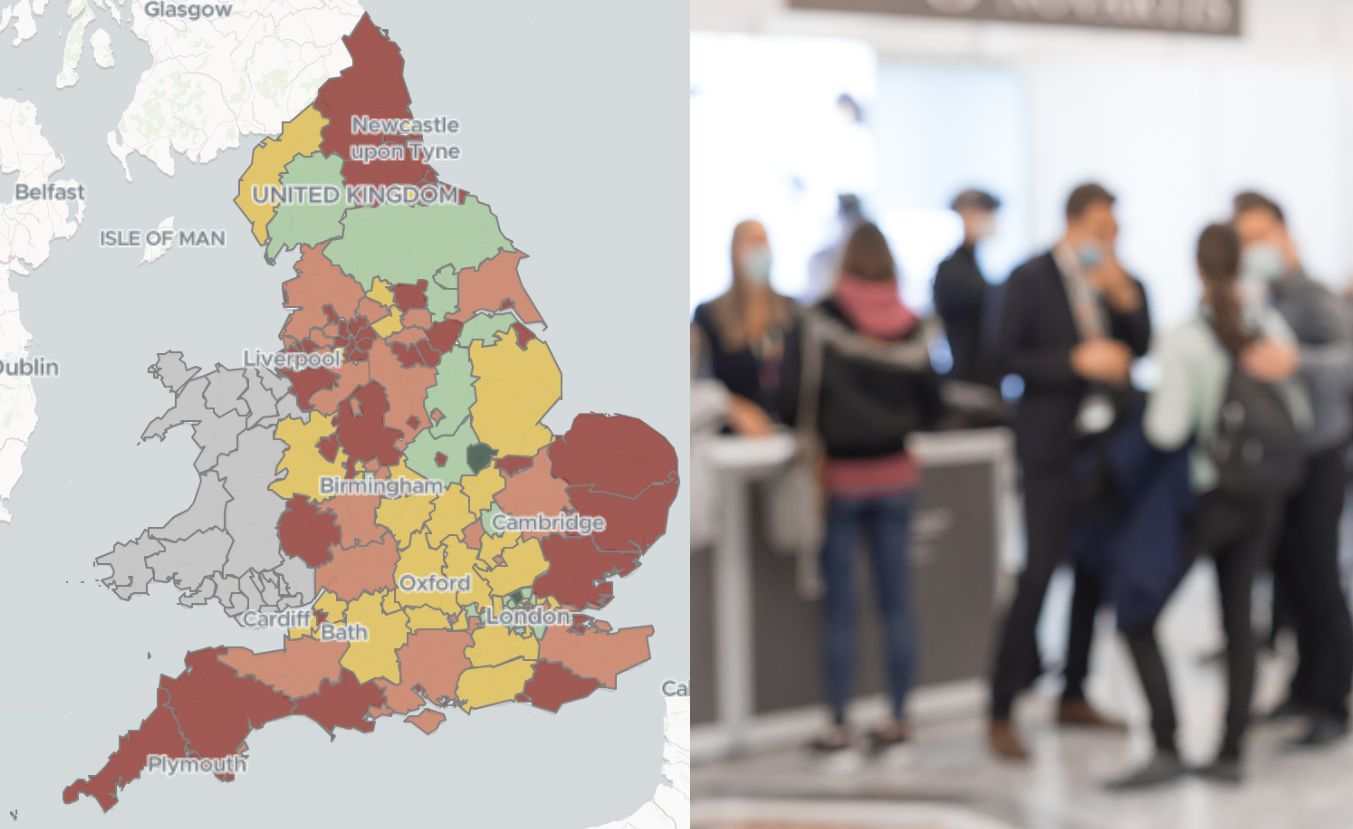
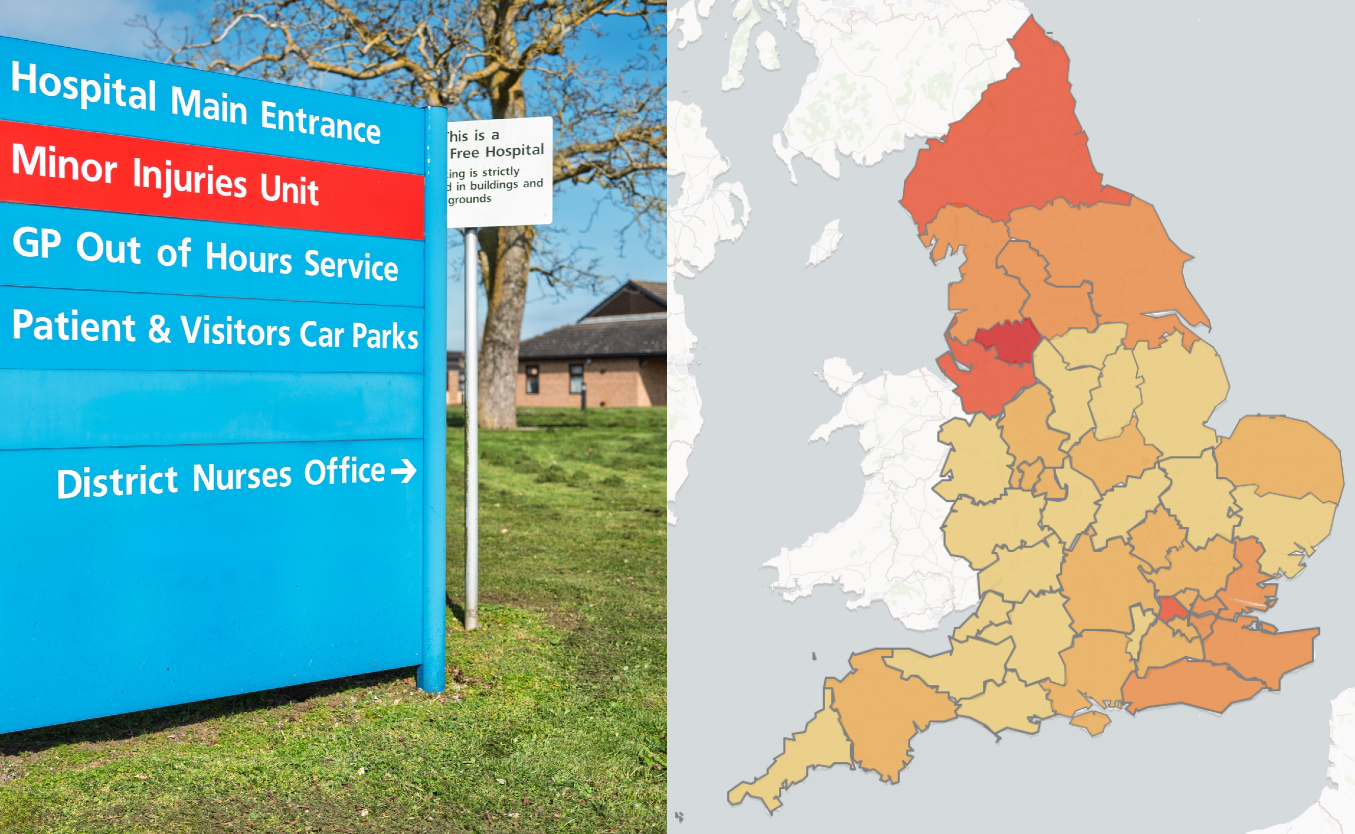
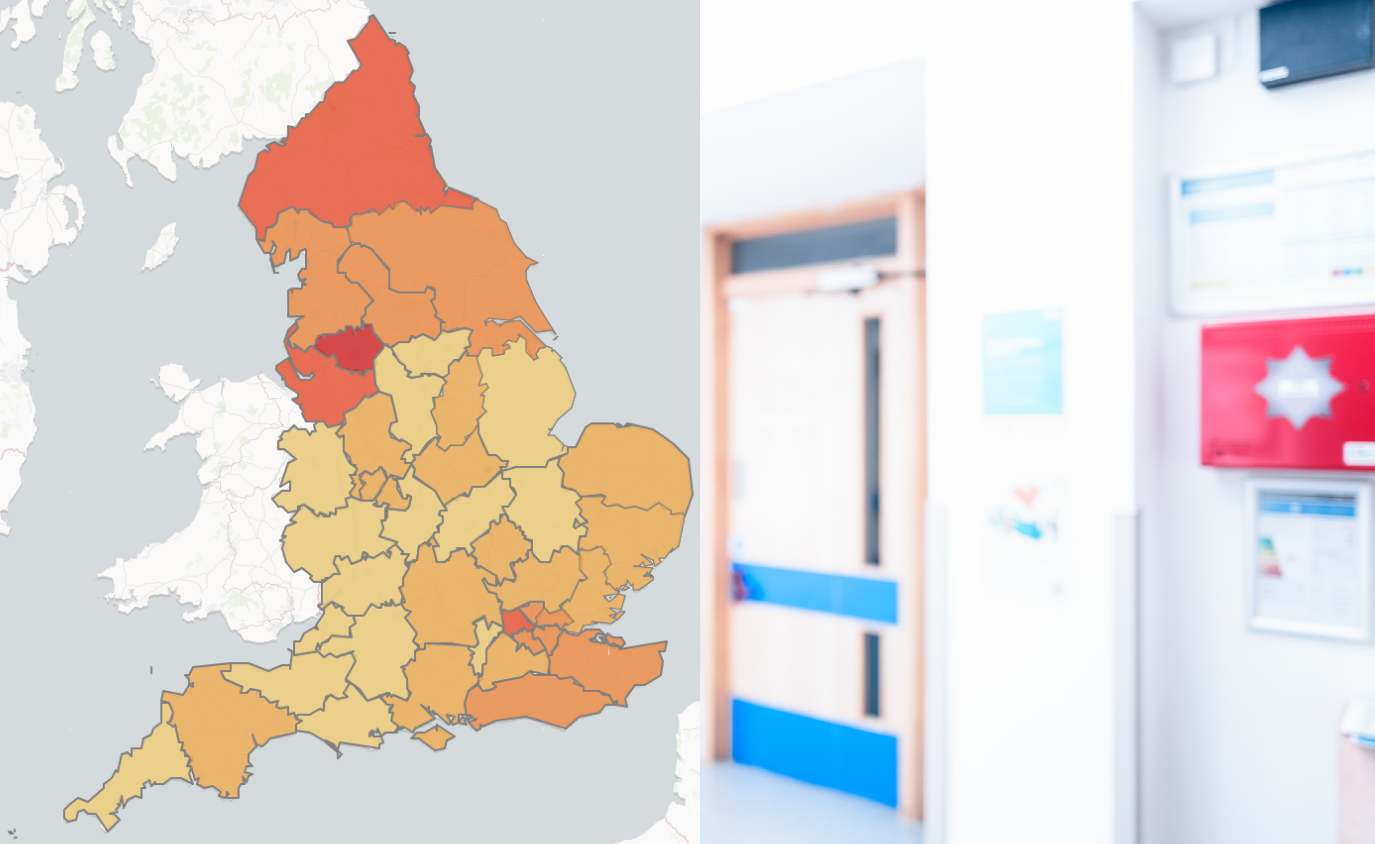
Using NHS Consultant-led Referral To Treatment (RTT) Waiting Time data, we have visualised the number of patients currently awaiting treatment in England by Integrated Care Board, as well as the amount of time in weeks patients have been waiting for treatment. Launch visualisation. Source: NHSEngland
This morning, NHS England released Referral to Treatment (RTT) waiting time figures for February 2026, revealing a decline in incomplete cases for the second consecutive month to 7,124,952. This represents a 0.4% decrease over the month and a 4% reduction year-on-year.
Despite this slight dip in the total number of pathways, the data continues to suggest an estimated 6.1 million individual patients are awaiting treatment. This figure accounts for individuals currently seen on multiple waiting lists across different conditions and specialties.
With only one month of reporting left to meet the March 2026 target of closing 65% of pathways within 18 weeks, the national performance rate has increased to 62.5%. In February, patient wait times also saw a monthly improvement, averaging 13.2 weeks from initial referral to the start of treatment.
However, performance continues to vary significantly by specialty. While the Elderly Medicine service saw over 80% of pathways closed within the 18-week window, Oral Surgery services continue to report rates of just over 50%.
At Polimapper, our data team has analysed these figures at a local level to identify geographical disparities. NHS Mid and South Essex ICB remains the lowest-performing board, completing just 52.9% of pathways on time – a stark contrast to NHS Gloucestershire ICB, which leads at 71.7%.
Geodata context
As part of the Labour Government’s commitment to restoring the 92% 18-week standard by 2029, the 2025/26 strategy sets an interim target of 65% for March 2026. Despite welcoming the improvement in waiting lists, organisations and associations flag that this March target could be narrowly missed.
Professor Frank Smith, vice president of the Royal College of Surgeons of England: “NHS staff have worked relentlessly under intense pressure to bring down waiting lists, and patients will welcome any sign that things are moving in the right direction. But with data suggesting the 65% target could be narrowly missed, it is clear just how fragile this progress remains.”
“As the government’s March 2026 deadline approaches, we must ask whether the system has the capacity needed to turn short-term gains into lasting improvement.”
Sarah Scobie, deputy director at Nuffield Trust: “Today’s data shows the NHS has made real progress in February and March to try to meet its interim targets. The fact that these improvements have not quite been fast enough is a reminder that the ‘sprint’ to improve waiting times is only the start of a marathon to come.”
“Budgets are tight and spread across many different priorities, and big structural reforms lurk on the horizon. The challenge for the NHS will be whether improvements are sustainable or just a quick boost that soon fades away, as we have seen before.”