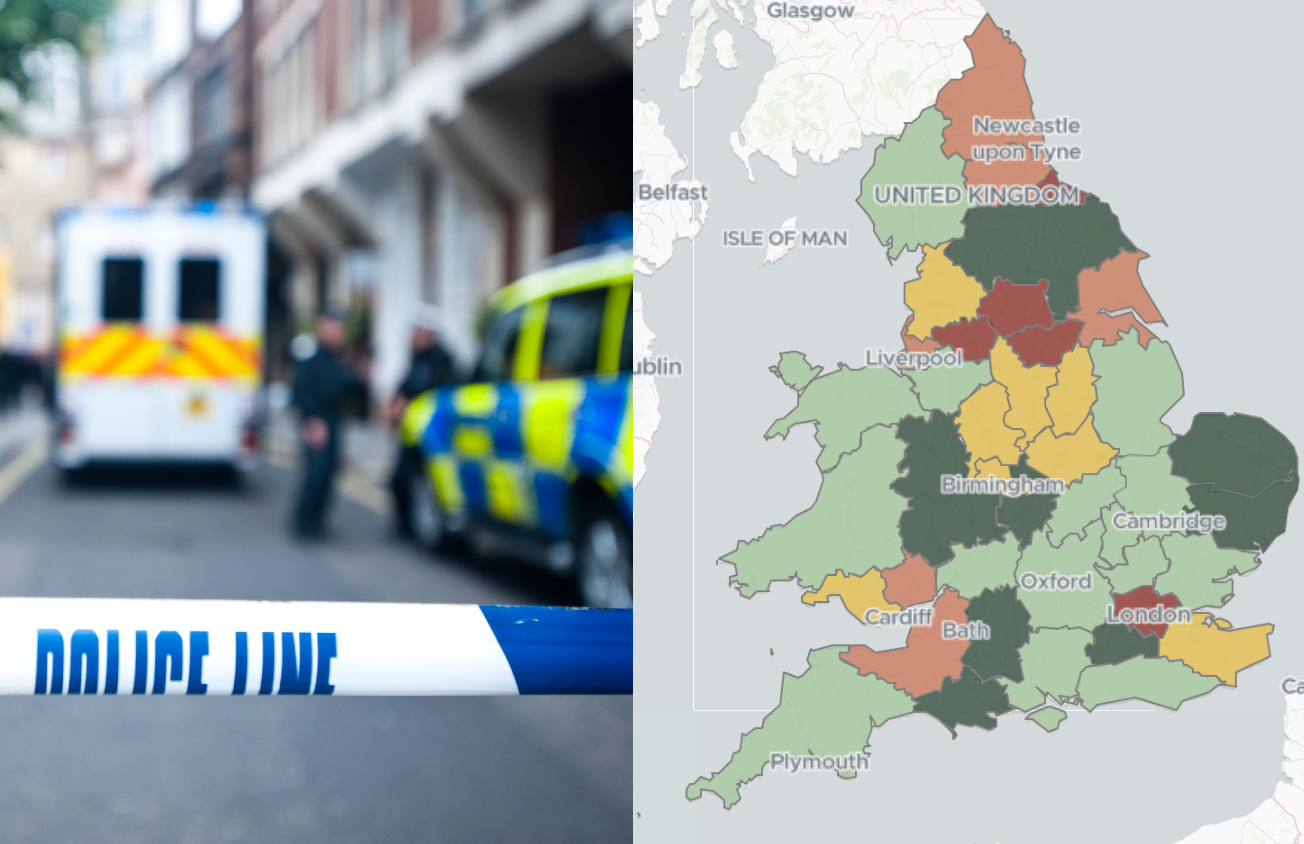
In this visualisation, we have mapped the number of patients currently awaiting treatment in England by Integrated Care Board, as well as the amount of time in weeks patients have been waiting for treatment. Source: NHS England
NHS England has released new Referral to Treatment (RTT) waiting times figures for January 2026, revealing that the number of incomplete cases has fallen to 7,155,958. This represents a decrease of nearly 1% over the month and 4% year-on-year. While these figures track the total number of pathways, the data suggests that approximately 6.1 million individual patients were awaiting treatment; this accounts for individuals who are currently on multiple waiting lists for different conditions or specialties.
In January, 61.4% of pathways were completed within the 18-week target. However, this remains short of the interim 65% target pledged for March and lags significantly behind the original 92% statutory standard, which the Labour government aims to meet by the end of its term.
During January, patients waited an average of 13.6 weeks from their initial referral to the start of treatment. Performance varied significantly by specialty: Oral Surgery recorded the lowest performance, with only 52.4% of patients seen within 18 weeks, while Elderly Medicine performed best at 79.3%.
At Polimapper, our data team has analysed these figures at a local level to identify geographical disparities. NHS Mid and South Essex ICB remains the lowest-performing board, completing just 51.6% of pathways on time – a stark contrast to NHS Cornwall and the Isles of Scilly ICB, which leads at 71.5%.
Geodata context
While organisations have welcomed the sustained improvement in the data, they warn that the NHS remains far from its targets and that these gains are not solely driven by increased clinical performance.
Sarah Scobie, deputy director of research at Nuffield Trust: “The latest stats reveal the last minute scramble the NHS is experiencing with the fast-approaching deadline to improve planned treatment waiting times.”
“Seeing the waiting list fall substantially for a few months in a row is a relief, but the NHS is still some way off hitting the March goal of 65% of patients treated within 18 weeks. Even if they get close to this through short bursts of improvement, it remains incredibly difficult to sustain this trend over longer periods.”
“The sporadic improvements we see are not all about the NHS delivering more care. There was another uptick in ‘unreported removals’ from the waiting list in January, which includes tidying up the data as much as possible by removing patients who don’t need to be on there anymore.”
Tim Gardner, assistant director of policy at the Health Foundation: “Today’s data show tentative signs of improvement across the health service after a gruelling winter, which should provide some relief for patients and staff.”
“Achieving lasting improvements will require a concerted focus on addressing the root causes of delays, and a system-wide approach to recovery that prioritises investment, workforce resilience and long-term planning.”