Polimapper’s data analysis reveals homelessness pressure points for the next intake of MSPs, as number of households in TA increases
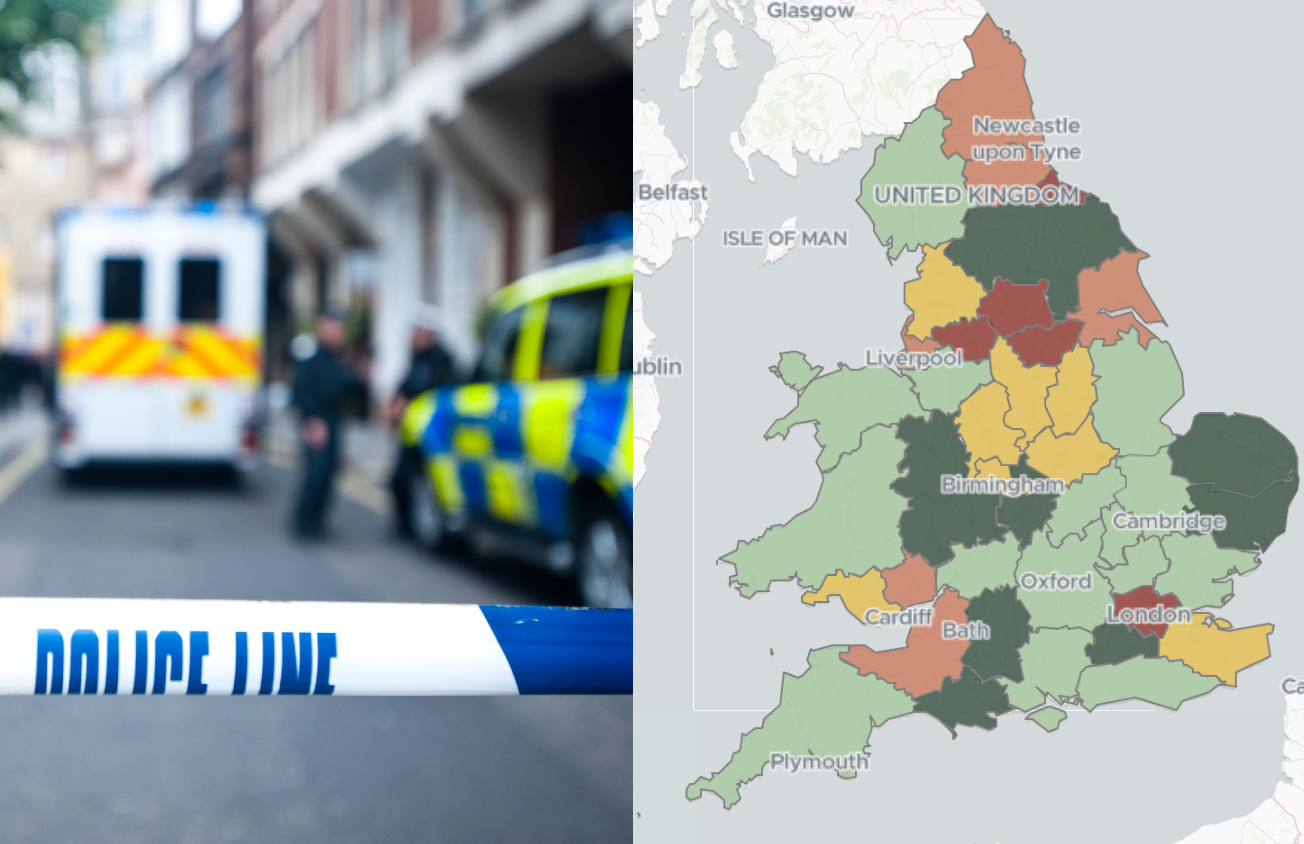
In this visualisation, we have mapped homelessness figures at the Holyrood constituency level, by allocating local authorities to the respective constituencies in which they fall. In case of an overlap, the datapoint has been assigned to the largest overlap. Sources: Homelessness in Scotland: update to 30 September 2025 | Homeless Deaths 2024
With the Scottish elections approaching, the housing emergency has become a key topic of discussion. While the Scottish Government’s new £111 million child poverty package, “Bringing Hope, Building Futures,” offers a significant financial commitment, sector leaders warn that the next parliamentary term will be the “make or break” moment for Scotland’s poverty targets.
In light of this, Polimapper has mapped the latest homelessness and mortality data at the Holyrood constituency level. The localised insights reveal that, despite a marginal 2% dip in homeless assessments, the number of households in temporary accommodation has significantly increased. The visualisation highlights the pressure points for the next intake of MSPs.
The housing emergency
Data for the year ending September 2025 indicates that 33,966 households were assessed as homeless. This represents a 2% reduction compared to the previous year. However, this slight decrease in applications has not alleviated the pressure on the broader housing system.
As of September 30, 2025, the number of Scottish households in temporary accommodation reached 18,092, a 9% increase year-on-year. This surge includes a significant impact on young people, with 10,480 children currently residing in temporary housing – a 1% increase from 2024.
Geographic data visualised to the new Holyrood constituency boundaries highlights specific pressure points.
Clackmannanshire and Dunblane recorded the highest rate of households assessed as homeless at 2,267 per 100,000 people. Edinburgh constituencies saw the highest concentration of households in temporary accommodation, reaching 1,962 per 100,000.
The human cost
The latest report from the National Records of Scotland confirms the severity of the crisis through mortality figures. In 2024, an estimated 231 people died while experiencing homelessness. Although this is a slight decrease from 242 deaths in 2023, the figure remains substantially higher than pre-pandemic averages.
The data reveals that 78% of those who died were male, and approximately half of all deaths were among individuals under the age of 45. Urban centers continue to see the highest impact.
City of Edinburgh areas saw the highest rate of homeless deaths at 10 per 100,000. Glasgow constituencies followed closely with 9 deaths per 100,000. Conversely, several areas including Eastwood, Renfrewshire West, and Moray recorded zero deaths.
The £111 million child poverty package
This month, the Scottish Government announced “Bringing Hope, Building Futures,” an updated delivery plan to tackle child poverty. The government has committed more than £111 million to the initiative, with the goal of keeping approximately 100,000 children out of poverty by the 2026-27 period.
This includes £61.5 million for the Tackling Child Poverty Fund to expand childcare support for low-income parents and £9 million to mitigate the UK Government’s freeze on Local Housing Allowance rates.
Maeve McGoldrick, head of policy and communications at Crisis Scotland: “Homelessness remains one of the most extreme forms of poverty, and so we strongly welcome today’s announcement on funding holistic, early action support for family households. We especially welcome the investment from [the] Scottish Government to plug the gap left by the Department for Work and Pensions in housing benefit levels for families renting privately.”
“Rising living costs, a shortage of genuinely affordable homes and gaps in early intervention support are continually pushing more people into inhumane living situations.”
Mary Glasgow, chief executive at Children First: “The Tackling Child Poverty Delivery Plan is a step towards realising Scotland’s commitment to ensure that no child’s health, wellbeing or life chances are undermined because their family faces financial hardship.
“Families tell us that the easy access to whole family support which we offer through our national support line and local services can make all the difference to their lives. So, the commitments in the plan to offer more support like this are welcome.
“While today’s plan is important, it is the immediate actions of the next Scottish Government which will make or break Scotland’s chance of meeting our national poverty reduction targets and securing a better future for children and young people for generations to come.”