Data shows decrease in households assessed as homeless as the Prime Minister pledges to tackle rough sleeping.
On Tuesday, the Prime Minister announced immediate measures to offer vulnerable people a route off the streets this winter. This comes as data from the Ministry of Housing, Communities and Local Government shows improvements in local authority homelessness assessments.
Statutory homelessness assessments encompass anyone who applies to a local council for housing assistance, including and not limited to rough sleepers, couch surfers and those receiving eviction notices. The latest government data shows a 5% year-on-year drop in assessments between January and March 2026, totalling 44,650 households in England.
Regarding households already in temporary accommodation (TA), 63.8% include children, as over 177,000 children were living in TA by the end of March.
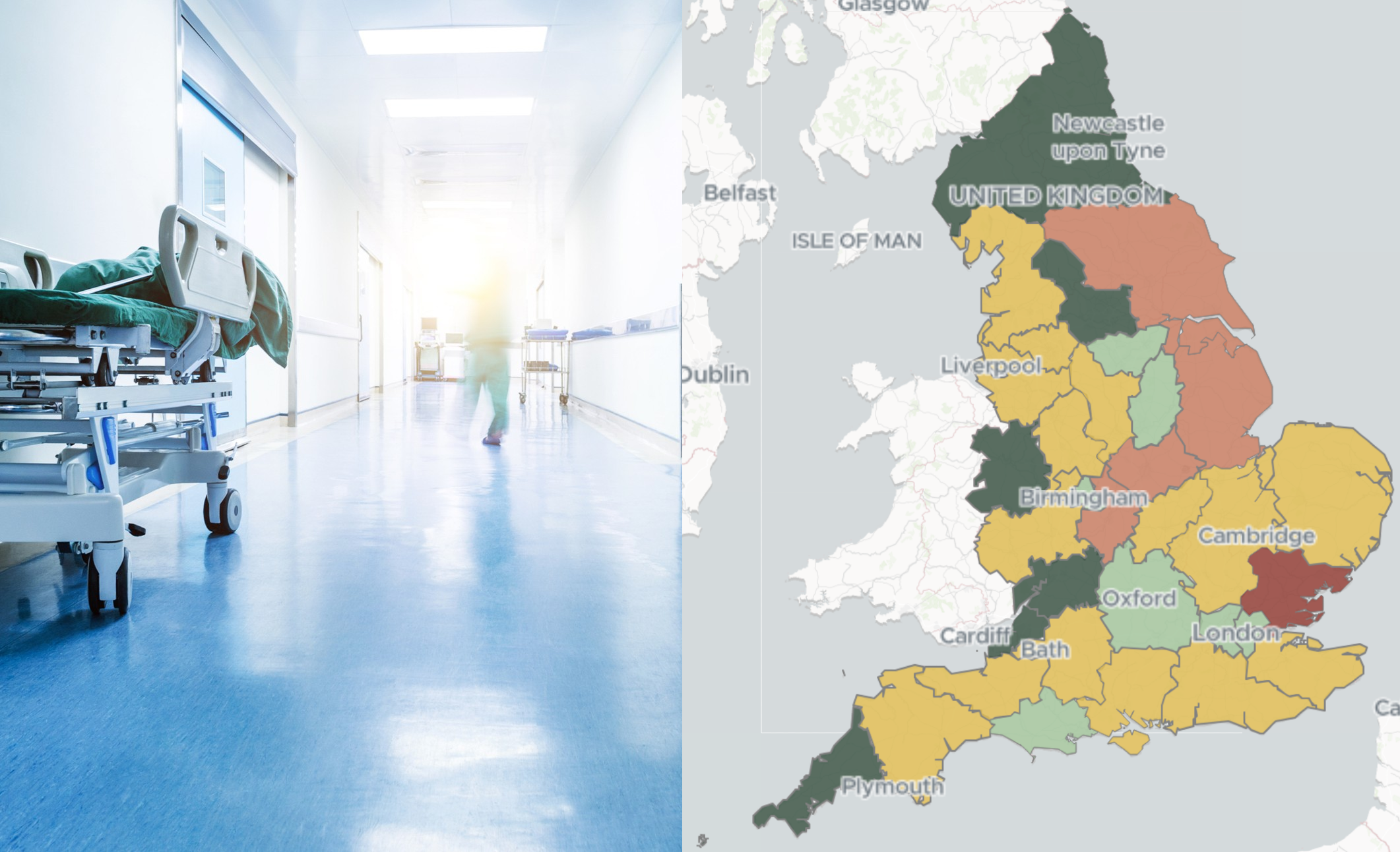
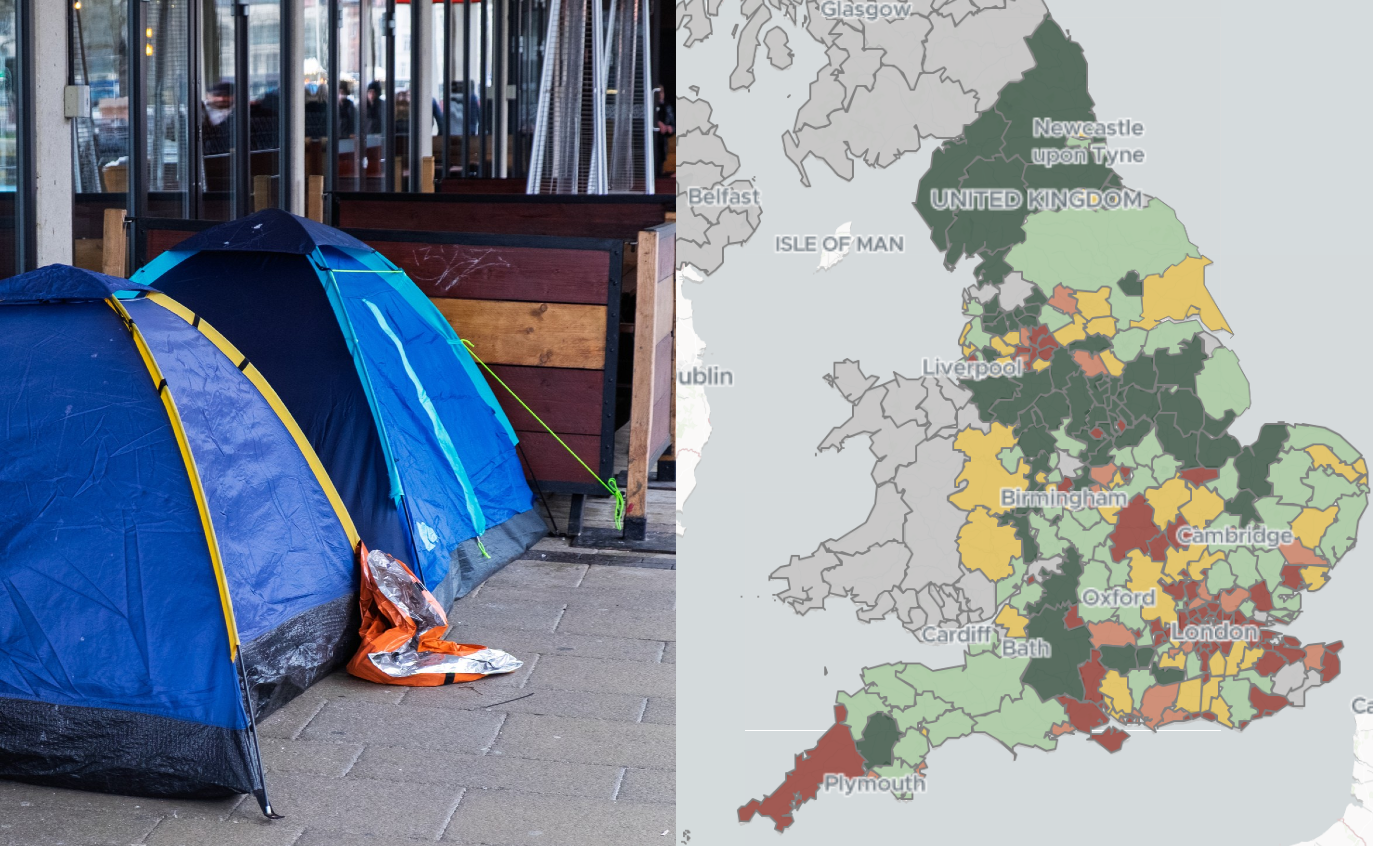
Data visualised by Polimapper reveals stark geographic divides across the country. Middlesbrough and the London borough of Westminster recorded the highest homelessness rates in England, with Middlesbrough seeing 4.86 homeless households per 1,000, and Westminster registering 4.84. Conversely, local authorities including Staffordshire Moorlands, Bassetlaw, and Eastleigh recorded near-zero rates.
London councils also dominate the list for temporary accommodation, with the borough of Newham seeing nearly 60 households per 1,000 in temporary arrangements.
Geodata context
In July, the new Prime Minister pledged to end rough sleeping in England, announcing £340 million in additional funding over three years to get people off the streets. Building on this commitment, he has launched a national drive to get everyone inside for Christmas and boosted the total support package to £442 million.
Ish Camp, East London regional head of St Mungo’s: “Yes it’s good to give everyone a bed for the night but what else are we doing to support them to stay in it?”
“Entrenched rough sleepers have usually been round and round all of the systems that are available multiple times before, and it hasn’t worked. So we need to look at why it hasn’t worked and what we can do differently this time around.”
Matt Downie, chief executive of Crisis: “In the long-term, rough sleeping can only be solved with the provision of safe, affordable homes, so we really welcome the funding to provide more settled homes.”
“Where access to a home isn’t possible straight away, providing good quality accommodation with a clear plan to support people into settled housing is a vital first step. We stand ready to help the Prime Minister in delivering this vital intervention ahead of Christmas, starting with this Autumn’s summit that will bring together civil society, businesses and faith leaders to help deliver on the Government’s vision of a country without rough sleeping.”